The history of Norwegian runes is a practical one that is grounded in some very practical exchanges. The oldest ones were discovered in Norway and date to 400 A.D. These Norwegian Runes are actually based on Germanic forms – especially the runes known as Pertra and Eoh.
Originally, the Norwegian runes had 24 symbols in a set but by 799 A.D. there were 16. In the history of Norwegian runes, this is known as Futharks set of runes that are still in use to day.
In 900 A.D., the Runes went through another change as a set of runes known as Shortwiggs were introduced form Sweden. These runes were added into the Futhark set and were used in Norway up until 1800 AD. These Swedish types of runes were used in Norway up to 1800 AD.



After the year 1000 A.D., it became very common for every one to read runes. It was a form of messaging and fortune telling that was accessible to all. They were also used in mercantile exchanges.
The art of reading runes was not taught in school or church. The knowledge was generally passed down from person to person. Even though it was pagan knowledge and an ancient form of writing it was taught to the clergy by the church.
Archeological excavations have revealed that runes were used all of the time in trade. Many businesses in Norway made trademarks or branding logos out of Runes. This was simpler than spelling out an entire business name in Norwegian. Short inscriptions symbolizing common goods such grain, fish, cod, salt, beer, mead, yarn, homespun, cloth and weapons were used daily.
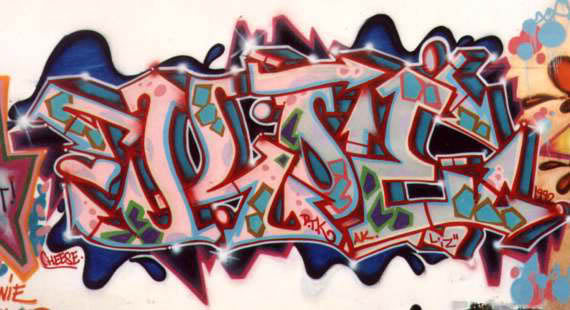
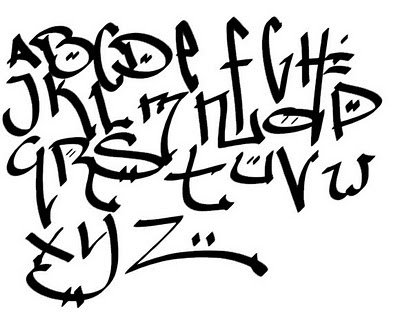
Runic inscriptions were also scrawled on walls, much in the same way that graffiti artists write symbols on walls today. The Norwegians were the first “taggers” and they used rune symbols to communicate what they had to say in an efficient manner.
Runes were also used in a smutty way and are found inscribed in ancient bathrooms and also in places where Norwegians used to get together and drink.
The most runic messages are found in churches. Runes were used to make appeals to God. Norwegian citizens would use them to write words like “Ava Maria” or even “Olaf was here.”
There have been many variations of these stones over the years but the basic fortune telling system of runes is based on the original sixteen stone alphabet that was called the Futharks. You can also sometimes find a curio set of runes based on the much old 24 set known as the Futhark. Both sets are cast in the same way for fortune telling purposes. You can pull a single rune or pull several that are laid out in a spread that makes a map of your future or helps answer a question. Fortune telling has always been part of the Norwegian Runes whether using them to divine the future or gain a psychological insight into the self.